
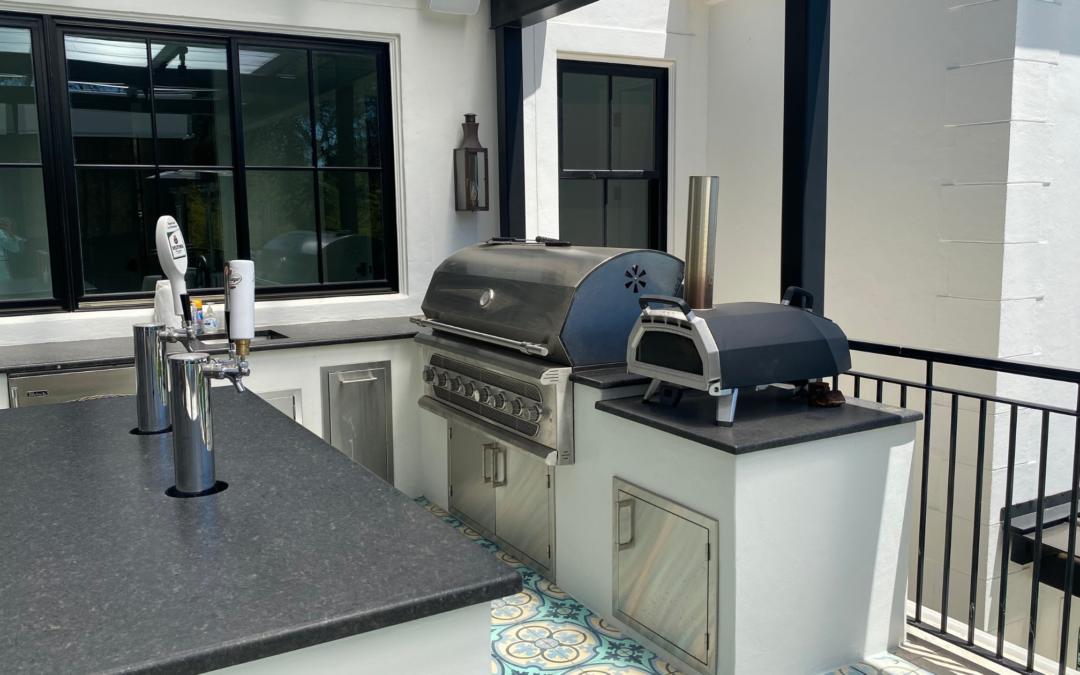
Designing an outdoor kitchen isn’t just about choosing a grill or picking countertop colors—it’s about creating a space that works beautifully for the way you live, cook, and entertain. When your layout is intentional, everything feels easier: prepping, grilling, serving, hanging out, and cleaning up. When it’s not… well, let’s just say you feel it fast.
At Integrated Outdoor Designs, we help San Antonio homeowners build outdoor kitchens that look amazing and function flawlessly. And the secret to that “wow, this just works” feeling? It comes down to three core principles: zones, flow, and functionality.
Let’s walk through what makes an outdoor kitchen layout truly great—and how you can create a space that feels like a natural extension of your home.
Start with the Foundation: The Four Key Kitchen Zones
Just like an indoor kitchen, outdoor kitchens thrive when they’re designed around four essential zones. These zones help keep your BBQ area organized, efficient, and enjoyable.
1. The Prep Zone
This is where everything begins—chopping, marinating, assembling, seasoning. You want ample counter space, access to tools, and a layout that keeps ingredients close and surfaces clear.
Key features in a prep zone include:
-
Cutting boards
-
Storage drawers
-
Trash or recycling pull-outs
-
Spacious countertops
-
Easy access to utensils and seasonings
2. The Cooking Zone
The heart of your outdoor kitchen. This zone revolves around your grill, smoker, side burners, pizza oven, or flat-top. Heat and safety matter here, so placement is important.
A strong cooking zone includes:
-
A high-quality built-in grill
-
Proper ventilation or vent hoods for covered areas
-
Adequate counter space on both sides of the grill (this is essential!)
-
Heat-resistant surfaces
-
Safe distance from seating and foot traffic
3. The Serving & Social Zone
People always gravitate toward the food, which means your outdoor kitchen should encourage connection—not crowding. This area is where drinks are poured, snacks are served, and conversations happen.
Typical serving/social features include:
-
Bar seating or a built-in bar top
-
A counter or island where guests can gather
-
A nearby lounge or dining area
-
Beverage coolers or an outdoor fridge
4. The Cleaning Zone
Nobody loves cleaning, but a smart layout makes it so much easier. Keeping this zone separate from the prep and cooking areas improves workflow and reduces clutter.
Great cleaning zones include:
-
A deep outdoor-rated sink
-
Dish storage
-
Trash and recycling pull-outs
-
Space for prepping dirty dishes away from clean surfaces
Balancing these zones makes your outdoor kitchen more efficient and enjoyable. If one zone overwhelms another, or if they’re placed awkwardly, your whole flow can feel off.
Create Seamless Flow: How You Move Through the Space Matters
A beautiful outdoor kitchen won’t feel right if the flow is awkward. “Flow” is simply the natural movement you make from one task to another—prep to grill, grill to serve, serve to dine.
Perfecting flow comes down to thoughtful placement:
Keep the Work Triangle Intact
Indoor kitchens have the classic “work triangle” between the fridge, sink, and stove. Outdoor kitchens benefit from a similar concept.
Ideally:
-
Prep zone → Cooking zone → Serving zone → Cleaning zone
should form an easy, intuitive loop.
Avoid Traffic Jams
You don’t want guests reaching past you while you’re grilling or kids running through a hot cooking area.
Smart flow solutions include:
-
Separating seating from the cooking zone
-
Keeping beverage coolers on the edge of the kitchen so guests can serve themselves
-
Using L-shaped or U-shaped layouts to create natural boundaries
Consider Sun, Wind, and Shade
San Antonio weather has a personality. Heat, sunlight, and airflow should influence your design.
For best flow and comfort:
-
Position the grill away from prevailing winds
-
Add shade structures—like pergolas or patio covers—to keep temps comfortable
-
Avoid placing the cooking area directly in the harsh afternoon sun if possible
Think About How You Enter the Space
Direct access from your indoor kitchen is a huge flow boost. If that’s not possible, placing refrigeration near the entry point reduces back-and-forth.
Functionality: The Little Decisions That Make a Big Difference
Beyond zones and flow, the best outdoor kitchens feel effortless because they’re packed with functional details that make cooking and hosting easier.
Here are some of the most important:
Counter Space—More Than You Think
You will never regret extra counter space. It gives you room to prep, place platters, serve guests, and set aside finished dishes. The ideal outdoor kitchen has at least:
-
24–36 inches of uninterrupted counter space near the grill
-
Additional space near the sink for cleaning
-
A serving counter or island for guests
Durable, Weather-Resistant Materials
San Antonio’s sun can be ruthless. Your kitchen needs materials that can handle heat, UV exposure, and moisture.
Popular choices include:
-
Granite or concrete countertops
-
Stainless steel appliances
-
Stone or stucco bases
-
Composite cabinetry
Proper Lighting
Outdoor kitchens need layered lighting:
-
Task lighting for cooking
-
Ambient lighting for dining
-
Accent lighting for mood and visibility
String lights, recessed LEDs, under-counter lighting, and pendant fixtures are all great choices depending on the layout.
Storage You’ll Actually Use
Built-in cabinetry keeps your outdoor kitchen organized and prevents endless trips inside. Add storage for:
-
Grill tools
-
Seasonings
-
Cutlery
-
Cleaning supplies
-
Serving platters
-
Outdoor-safe dinnerware
Appliances That Match Your Style
Are you a weekend griller, a pizza enthusiast, or a full-on entertainer? Your layout should reflect how you cook.
Popular add-ons include:
-
Side burners
-
Outdoor refrigerators
-
Beverage centers
-
Pizza ovens
-
Flat-top griddles
-
Smoker drawers
-
Ice makers
Matching Your Layout to Your Lifestyle
Every great outdoor kitchen layout starts with the same question: How do you plan to use it?
Here are a few examples:
For the Social Host
A large island, bar seating, and an L-shaped layout keep everyone close but out of the cooking zone.
For the Serious Griller
Extended counter space and a dedicated cooking zone with multiple appliances are essential.
For the Family Gatherer
A layout with plenty of seating, shade, and easy access to beverages keeps the whole crew happy.
For Smaller Yards
A linear or compact U-shaped design maximizes space and efficiency.
The right layout is the one that fits your home and your lifestyle.
Ready to Design an Outdoor Kitchen That Feels Effortless?
A great layout isn’t just about aesthetics—it’s about how you cook, entertain, and enjoy your space. When zones, flow, and functionality come together, your outdoor kitchen becomes a welcoming, easy-to-use extension of your home.
If you’re ready to design a custom outdoor kitchen that fits your style and the way you live, Integrated Outdoor Designsis here to help. Our team creates beautiful, functional outdoor kitchens built for San Antonio heat, everyday durability, and unforgettable gatherings.
Let’s bring your dream outdoor kitchen to life.
Contact Integrated Outdoor Designs today to start planning your custom outdoor kitchen layout!