
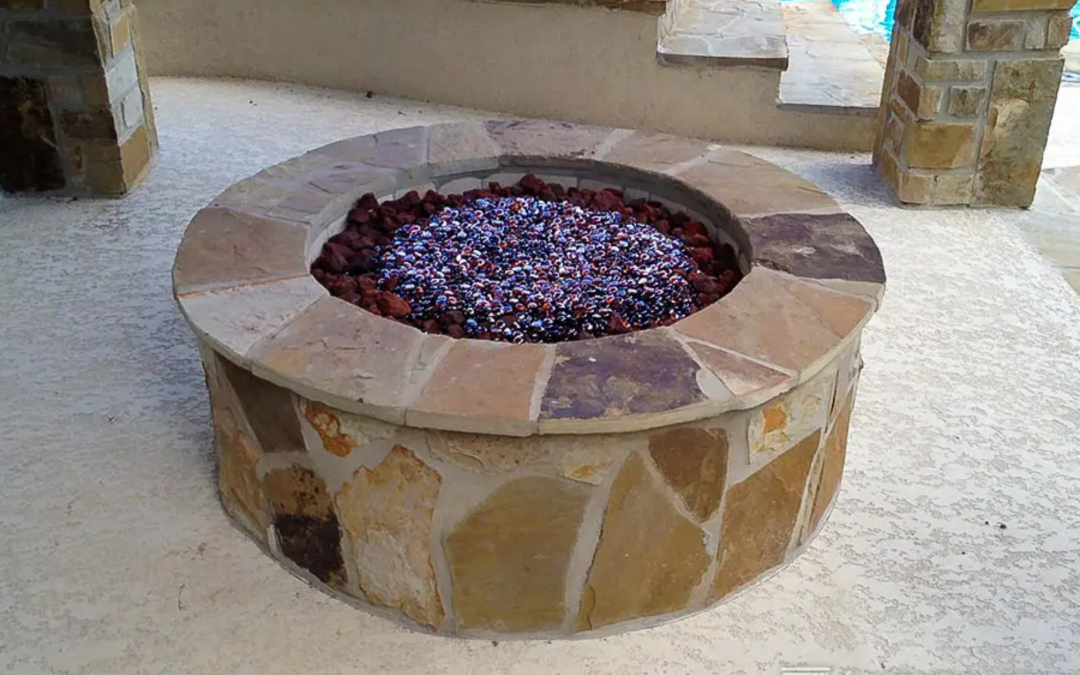
Few outdoor features change the feel of a backyard quite like a fire feature. Whether it’s the glow of flames on a cool evening or the natural gathering spot it creates, fire instantly makes an outdoor space feel warmer, cozier, and more inviting. In San Antonio, where outdoor living stretches well beyond summer, both fire pits and outdoor fireplaces are popular additions—but they serve slightly different purposes.
If you’re trying to decide between a fire pit and a fireplace, the right choice depends on how you plan to use your space, how it’s laid out, and the overall look you want to achieve. Let’s break down the differences so you can choose the option that truly fits your outdoor lifestyle.
The Role of Fire in Outdoor Living Spaces
Fire features do more than provide warmth. They create ambiance, encourage conversation, and extend the usability of your backyard into cooler months. In many ways, they act as the emotional center of an outdoor living area.
The key difference between fire pits and fireplaces lies in how they interact with space, seating, and movement. One is open and social, while the other is structured and architectural.
Fire Pits: Casual, Social, and Flexible
Fire pits are often the go-to choice for homeowners who love relaxed gatherings and open layouts. They’re typically centered within a seating area, making them ideal for conversation and connection.
Why Fire Pits Work Well
Fire pits are designed to bring people together. Because they’re low and open on all sides, everyone gets a front-row seat to the flames.
Fire pits are a great option if you want:
-
A central gathering spot for friends and family
-
Flexible seating arrangements
-
A casual, laid-back atmosphere
-
A feature that blends easily into open yards
They work especially well in larger outdoor spaces where there’s room to spread out and move freely.
Design Considerations for Fire Pits
While fire pits feel informal, they still benefit from thoughtful design. Placement is important—you’ll want enough clearance from structures while keeping the fire pit close enough to seating to feel connected.
Fire pits also pair well with:
-
Built-in or movable seating
-
Open patios and hardscapes
-
Multi-use spaces that serve different functions
Because of their open nature, fire pits tend to feel more social and interactive than fireplaces.
Outdoor Fireplaces: Structure, Warmth, and Visual Impact
Outdoor fireplaces bring a different energy to a space. They’re more architectural, acting as a focal point that anchors the design of a patio or covered area.
Why Fireplaces Stand Out
Fireplaces provide directional heat, making them especially effective during cooler evenings. They also add a strong visual element that defines the space around them.
An outdoor fireplace may be the better choice if you want:
-
A dramatic focal point
-
A more intimate or cozy setting
-
Wind protection for the flame and seating area
-
A feature that feels like an extension of your home
Fireplaces work beautifully in covered patios, outdoor living rooms, and spaces designed to mirror indoor comfort.
Design Considerations for Fireplaces
Because fireplaces are vertical structures, they require more planning. Scale, placement, and materials all matter to ensure the fireplace complements the rest of the outdoor design.
They often pair well with:
-
Covered seating areas
-
Outdoor kitchens or living rooms
-
Homes where architectural continuity is important
Fireplaces naturally define zones, making them ideal for spaces that benefit from structure and enclosure.
Space and Layout: The Deciding Factor
One of the biggest factors in choosing between a fire pit and a fireplace is the size and layout of your outdoor area.
Fire pits generally work best in:
-
Open backyards
-
Larger patios
-
Spaces where flexibility is key
Fireplaces tend to shine in:
-
Covered patios
-
Smaller or more defined outdoor rooms
-
Spaces that need a visual anchor
Your existing layout—and how you want people to move through the space—should guide the decision.
Style and Aesthetic Preferences
Your home’s style also plays a role. Fire pits often feel more casual and modern, though they can be customized to suit traditional designs as well. Fireplaces, on the other hand, tend to feel more classic and architectural.
When choosing between the two, consider:
-
Whether you want a relaxed or refined look
-
How the feature will complement existing materials
-
The overall mood you want your outdoor space to convey
Both options can be customized to match modern, traditional, or transitional homes when designed intentionally.
Functionality and Everyday Use
Think about how you’ll actually use the fire feature. Will it be the centerpiece of large gatherings? Or a cozy spot for quiet evenings?
Fire pits encourage group interaction and flexibility. Fireplaces create a sense of place and comfort, often becoming the backdrop for seating and conversation rather than the center of movement.
There’s no wrong answer—just different lifestyles.
Can You Have Both?
In larger outdoor designs, some homeowners choose to include both a fire pit and a fireplace. This allows for multiple gathering zones and different experiences within the same backyard.
While not necessary for every home, this option works well for expansive spaces designed for entertaining and relaxation.
Choosing What’s Right for You
Deciding between a fire pit and a fireplace isn’t about which is better—it’s about which works best for your space and how you live outdoors. Both options add warmth, beauty, and value when designed properly.
At Integrated Outdoor Designs, fire features are designed as part of a complete outdoor living experience. By considering layout, style, and comfort from the start, homeowners can choose a fire feature that enhances their backyard and supports year-round enjoyment.
Whether you’re drawn to the social glow of a fire pit or the architectural presence of a fireplace, the right choice will turn your outdoor space into a place you’ll want to gather, relax, and enjoy long after the sun goes down.